
Currently Empty: د.إ 0

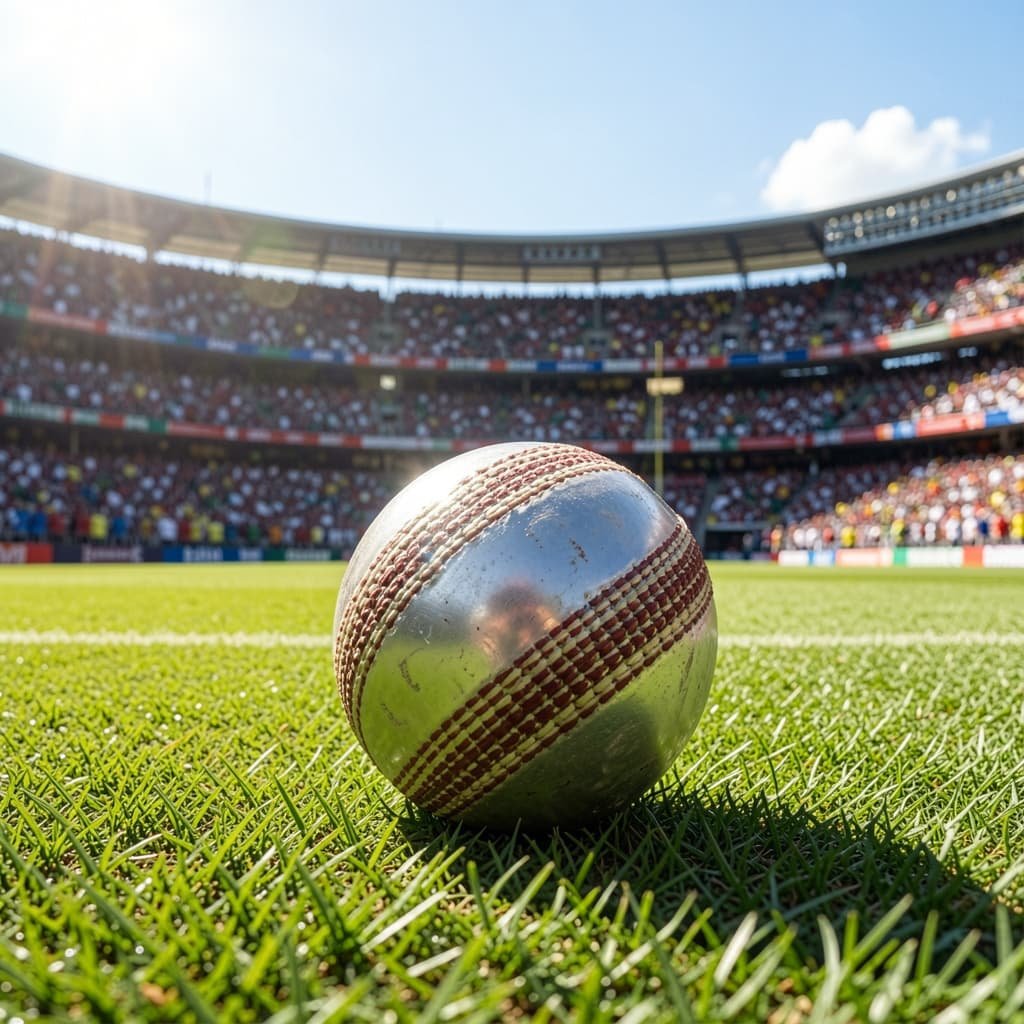
Cricket Ball Buying Guide: How to Choose the Right Cricket Ball for Every Game
The cricket ball is one of the most important pieces of equipment in the game. Whether you’re practicing in the nets, playing a friendly match, or competing at a professional level, using the right cricket ball can make a significant difference in performance, skill development, and safety.
Many players assume that all cricket balls are the same, but they are designed for different playing conditions, age groups, and formats of the game.
In this guide, we’ll explore the different types of cricket balls, explain their features, and help you choose the best option for your needs.
Why Choosing the Right Cricket Ball Matters
Every cricket ball behaves differently. The material, weight, seam, and construction all influence how the ball bounces, swings, spins, and wears over time.
Choosing the correct ball helps you:
- Improve batting and bowling skills.
- Practice with realistic match conditions.
- Reduce unnecessary wear on equipment.
- Increase player safety.
- Get better value from your purchase.
Using the wrong type of ball can affect technique and make training less effective.
Types of Cricket Balls
There are several types of cricket balls available, each designed for a specific purpose.
Leather Cricket Balls
Leather cricket balls are the standard choice for professional and competitive cricket.
They feature:
- Cork core
- Multiple layers of tightly wound string
- Premium leather cover
- Raised stitched seam
Leather balls provide consistent bounce, excellent swing, and long-lasting performance.
Best For
- Competitive matches
- Club cricket
- Professional players
- Leather-ball training
Training Cricket Balls
Training balls are specifically designed to help players improve their skills while reducing wear on expensive match balls.
Common training balls include:
- Soft practice balls
- Rubber balls
- PVC training balls
- Wind balls
- Indoor cricket balls
These balls are ideal for schools, academies, and individual practice sessions.
Best For
- Coaching
- Net practice
- Skill development
- Beginners
Tennis Cricket Balls
Tennis cricket balls are extremely popular for casual cricket.
They are lighter and softer than leather balls, making them easier and safer to use.
Advantages include:
- Lower injury risk
- Affordable price
- Suitable for all ages
- Excellent for recreational games
Many communities use tennis balls for backyard and street cricket.
Red vs White Cricket Balls
Professional cricket uses both red and white balls depending on the format.
Red Cricket Balls
Red balls are traditionally used in longer formats.
Benefits include:
- Better durability
- Consistent seam
- Excellent swing over long innings
Used in:
- Test matches
- Multi-day cricket
- First-class competitions
White Cricket Balls
White balls are designed for limited-overs cricket.
Advantages include:
- Greater visibility under floodlights
- Bright appearance
- Ideal for day-night matches
Used in:
- One Day Internationals (ODIs)
- T20 cricket
- Evening competitions
Cricket Ball Sizes and Weights
Official cricket balls vary depending on the level of play.
Senior Cricket Ball
- Weight: Approximately 155.9–163 grams
- Circumference: 22.4–22.9 cm
Junior Cricket Ball
Junior players typically use lighter balls to encourage proper technique and improve confidence.
Always choose a ball appropriate for the player’s age group and competition rules.
How to Choose the Right Cricket Ball
Before purchasing a cricket ball, consider the following factors.
Your Skill Level
Beginners often benefit from softer practice balls before progressing to leather balls.
Experienced players should train with match-quality balls whenever possible.
Playing Surface
Different surfaces affect ball performance.
Grass wickets generally suit leather balls, while synthetic or indoor surfaces often require specialized training balls.
Match or Practice
Ask yourself:
- Is this ball for competition?
- Net practice?
- Coaching?
- Recreational cricket?
Choosing the correct type improves both performance and durability.
Budget
Premium leather cricket balls provide the best match performance but cost more.
Training and tennis balls are excellent alternatives for regular practice sessions.
Cricket Ball Maintenance Tips
Proper care extends the life of every cricket ball.
Follow these simple maintenance tips:
- Keep balls dry after use.
- Store in a cool location.
- Avoid excessive moisture.
- Clean dirt from the leather using a soft cloth.
- Rotate practice balls regularly to ensure even wear.
Proper maintenance helps preserve the seam and overall condition of the ball.
Common Mistakes When Buying Cricket Balls
Many buyers make avoidable mistakes.
Choosing the Cheapest Ball
Low-quality balls often wear out quickly and provide inconsistent performance.
Using Match Balls for Everyday Practice
Premium match balls are designed for competition, not constant net sessions.
Ignoring Player Age
Children should always use balls suitable for their age and ability.
Buying the Wrong Ball for the Format
Always choose a ball designed for your intended style of play.
Why Buy Cricket Balls from RSM?
At RSM, we supply carefully selected cricket balls for players of every level.
Our collection includes options for:
- Professional matches
- Club cricket
- Junior players
- Cricket academies
- Schools
- Training sessions
- Recreational games
When you shop with RSM, you receive:
- High-quality cricket equipment
- Durable products
- Competitive prices
- Trusted brands
- Reliable customer service
- Equipment suitable for every stage of your cricket journey
Frequently Asked Questions
Which cricket ball is best for beginners?
Soft training balls or tennis cricket balls are excellent choices for beginners because they are easier to control and safer to use.
Are leather cricket balls better?
Leather balls provide superior performance and are the standard for competitive cricket, but they are not always necessary for casual practice.
How long does a leather cricket ball last?
The lifespan depends on playing conditions, pitch quality, and frequency of use. High-quality leather balls can last through multiple matches with proper care.
Can I use a tennis ball for cricket practice?
Yes. Tennis cricket balls are ideal for recreational games, backyard cricket, and introducing beginners to the sport.
Final Thoughts
Selecting the right cricket ball is essential for improving your skills and enjoying the game. From premium leather balls used in competitive matches to lightweight training and tennis balls for practice, each option serves a specific purpose.
Understanding the differences between ball types helps you make smarter purchasing decisions while ensuring better performance and safety on the field.
Browse the complete range of cricket balls and cricket equipment at RSM to find the perfect ball for your next training session or match.