
Currently Empty: د.إ 0

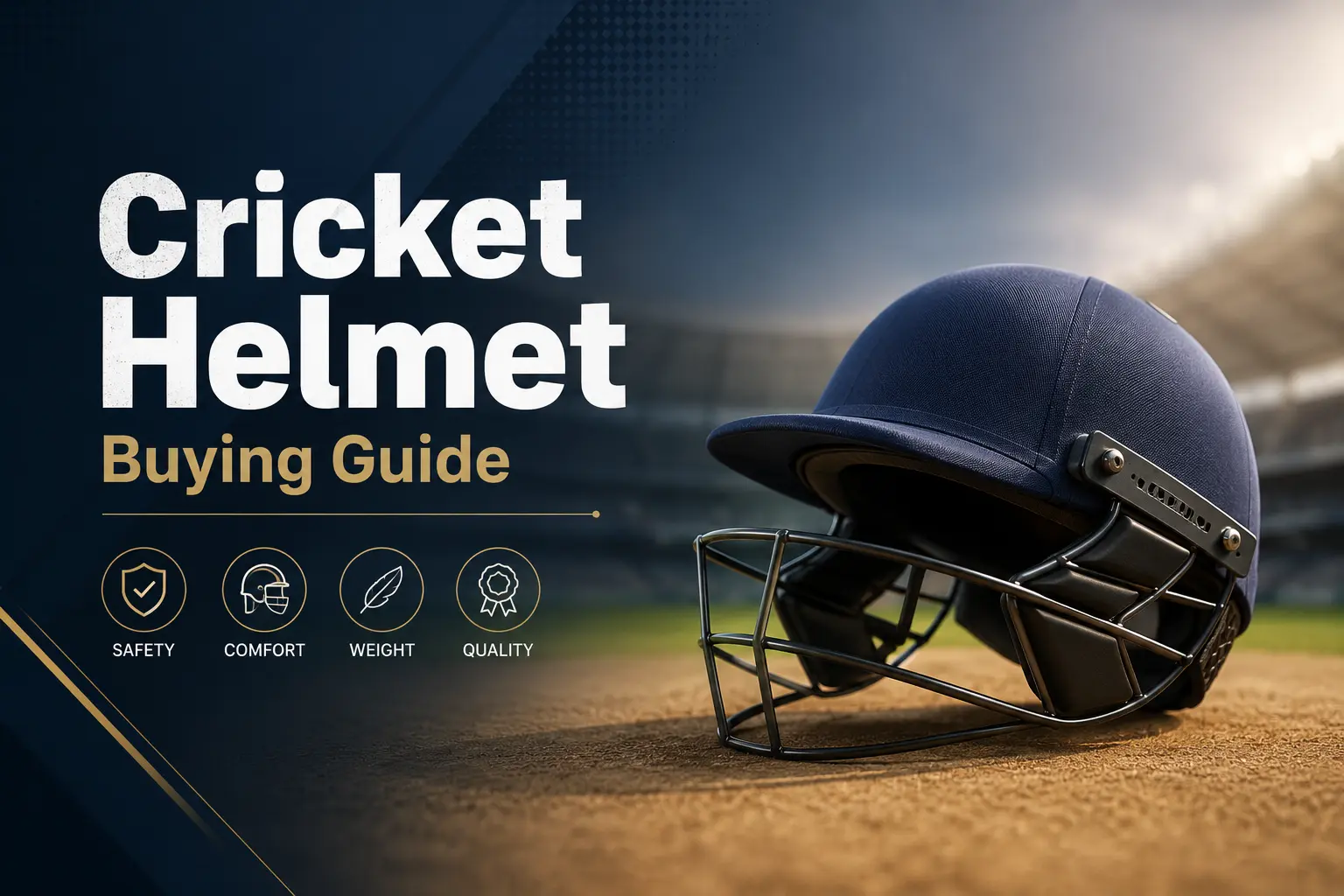
Cricket Helmet Buying Guide: How to Choose the Best Cricket Helmet for Safety and Performance
Cricket is an exciting and fast-paced sport, but it also involves high-speed deliveries that can pose serious risks to players. A well-designed cricket helmet is one of the most important pieces of protective equipment, helping reduce the risk of head and facial injuries while allowing players to focus on their performance.
Whether you’re a beginner learning the game, a club cricketer, or a professional athlete, selecting the right cricket helmet is essential for your safety and confidence.
In this guide, we’ll explain everything you need to know about cricket helmets, including their features, sizing, materials, safety standards, and maintenance.
Why Is a Cricket Helmet Important?
Modern cricket bowlers can deliver the ball at speeds exceeding 140 km/h (87 mph). Even at lower levels of the game, an unexpected bounce or mistimed shot can lead to serious injuries.
A quality cricket helmet helps protect:
- The skull
- Forehead
- Temples
- Face
- Jaw
- Ears
Wearing a properly fitted helmet significantly reduces the risk of impact injuries and gives players greater confidence at the crease.
Who Should Wear a Cricket Helmet?
Although helmets are often associated with batsmen, they are recommended for several positions.
A cricket helmet is essential for:
- Batsmen facing fast or medium-fast bowlers
- Wicketkeepers standing close to the stumps
- Fielders positioned close to the batter
- Junior players developing their skills
- Players participating in competitive matches
Safety should always come before performance.
Key Features of a Good Cricket Helmet
When choosing a cricket helmet, consider the following features.
Strong Outer Shell
The shell should be made from high-quality materials that can absorb and distribute impact energy effectively.
Common materials include:
- ABS plastic
- Fiberglass composites
- Carbon fiber (premium models)
A durable shell forms the first line of defense against high-speed deliveries.
Protective Steel or Titanium Grille
The grille protects the face without blocking vision.
Steel Grille
- Strong
- Affordable
- Durable
Titanium Grille
- Extremely lightweight
- Corrosion resistant
- Preferred by professional players
The grille should sit close enough to protect the face while providing excellent visibility.
Comfortable Internal Padding
High-density foam padding absorbs impact while improving comfort during long innings.
Look for:
- Moisture-wicking lining
- Replaceable padding
- Breathable materials
- Even pressure distribution
A comfortable helmet encourages players to wear it consistently.
Adjustable Fit
Most modern cricket helmets include adjustable straps or rear adjustment systems.
A properly fitted helmet should:
- Stay secure during movement
- Not slide forward or backward
- Feel snug without causing pressure points
Never choose a helmet that feels loose.
How to Choose the Correct Helmet Size
Helmet sizing is based on head circumference.
To measure correctly:
- Use a flexible measuring tape.
- Wrap it around the widest part of your head, just above your eyebrows.
- Compare the measurement with the manufacturer’s sizing chart.
Always try the helmet on, if possible, to ensure a secure and comfortable fit.
Junior vs Adult Cricket Helmets
Junior Helmets
Designed for younger players with:
- Smaller shell sizes
- Lightweight construction
- Enhanced comfort
- Easy adjustment systems
Proper fit is especially important for children, as oversized helmets may shift during play.
Adult Helmets
Adult helmets offer a wider range of sizes and premium features for club and professional players.
Choose a model that matches your level of competition and frequency of play.
Safety Standards to Look For
When purchasing a cricket helmet, always choose one that complies with recognized safety standards.
Certified helmets undergo rigorous testing to ensure they can withstand high-impact forces.
Buying from trusted retailers helps ensure you receive authentic protective equipment.
Common Mistakes When Buying a Cricket Helmet
Avoid these common mistakes.
Choosing the Wrong Size
A loose helmet cannot provide maximum protection.
Prioritizing Style Over Safety
The appearance of a helmet should never be more important than its protective features.
Ignoring the Grille Position
A grille positioned too far from the face may reduce protection.
Continuing to Use a Damaged Helmet
Replace a helmet if it has experienced a major impact or shows signs of structural damage.
How to Care for Your Cricket Helmet
Proper maintenance helps extend the life of your helmet.
Cleaning
Wipe the shell with a damp cloth after use.
Remove sweat from the internal padding using a soft cloth and allow it to air dry naturally.
Storage
Store your helmet:
- In a cool, dry place
- Away from direct sunlight
- Inside a protective equipment bag
- Away from heavy objects that may damage the shell
Inspection
Regularly check:
- The shell for cracks
- The grille for bends or corrosion
- Padding for wear
- Straps and adjustment systems
Replace damaged parts immediately if replacement components are available.
When Should You Replace Your Cricket Helmet?
Even high-quality helmets have a limited lifespan.
Replace your helmet if:
- It has suffered a significant impact.
- The shell is cracked.
- The grille is bent.
- The padding no longer provides proper support.
- The adjustment system no longer holds securely.
Your safety is worth more than extending the life of worn equipment.
Why Buy a Cricket Helmet from RSM?
At RSM, player safety is our priority.
We offer carefully selected cricket helmets designed to provide reliable protection, comfort, and performance for players of all ages and experience levels.
When you choose RSM, you benefit from:
- Premium cricket helmets
- Junior and adult sizes
- Durable construction
- Trusted cricket equipment
- Competitive pricing
- Excellent customer support
- Equipment suitable for training and competition
Whether you’re preparing for your first practice session or your next championship match, RSM has the protective equipment you need.
Frequently Asked Questions
Do beginners need a cricket helmet?
Yes. Beginners are encouraged to wear a helmet whenever facing hard cricket balls, as it helps build confidence and reduces the risk of injury.
What is the difference between steel and titanium grilles?
Steel grilles are durable and cost-effective, while titanium grilles are lighter and often preferred by professional players.
Can I continue using a helmet after a major impact?
It is generally recommended to replace a helmet that has absorbed a significant impact, even if no visible damage is present.
How should a cricket helmet fit?
A cricket helmet should fit snugly without causing discomfort. It should remain stable when you move your head and should not slide during play.
Final Thoughts
A cricket helmet is one of the most important investments you can make in your safety. The right helmet provides confidence, comfort, and reliable protection, allowing you to focus on your performance rather than worrying about injuries.
By choosing a helmet that fits correctly, meets recognized safety standards, and is properly maintained, you’ll enjoy greater peace of mind every time you step onto the field.
Explore the complete range of cricket helmets and protective equipment at RSM and find the perfect helmet for your next match or training session.