
Currently Empty: د.إ 0

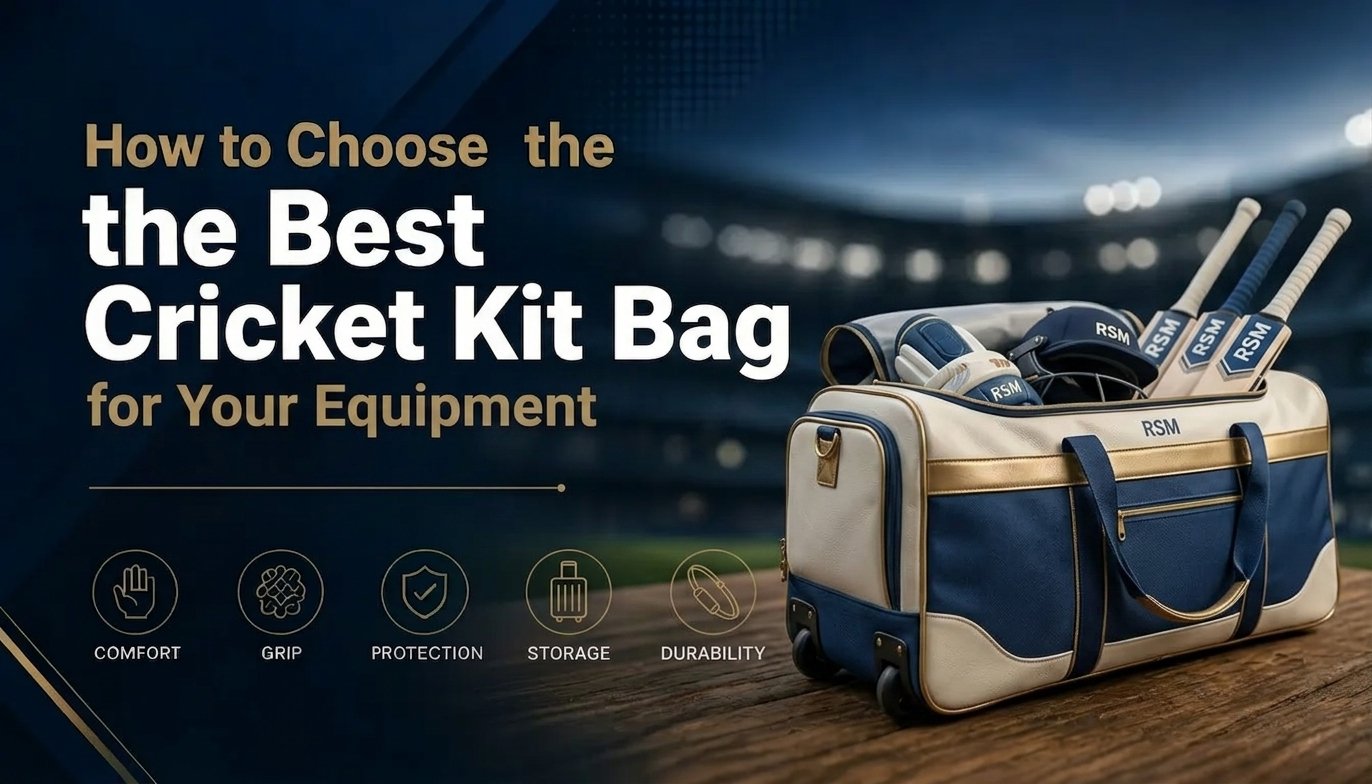
Cricket Kit Bag Buying Guide: How to Choose the Right Cricket Bag for Your Equipment
A cricket player needs more than just a bat and a ball. Modern cricket equipment includes helmets, batting gloves, pads, shoes, clothing, accessories, and training gear. Keeping all of this equipment organized and protected requires a reliable cricket kit bag.
The right cricket bag makes it easier to transport your equipment, protect expensive gear, and keep everything organized before, during, and after a match.
Whether you’re a junior player attending cricket academy sessions, a club cricketer traveling to matches, or a professional player carrying a complete cricket kit, choosing the right bag can make a significant difference.
In this guide, we’ll explain the different types of cricket kit bags, what features to look for, and how to choose the right size for your equipment.
Why Is a Cricket Kit Bag Important?
Cricket equipment can be expensive, and carrying it without proper protection can lead to unnecessary damage.
A quality cricket kit bag helps you:
- Keep your equipment organized.
- Protect bats and protective gear.
- Transport heavy equipment comfortably.
- Separate shoes from clean clothing.
- Store smaller cricket accessories.
- Keep your cricket kit ready for every match.
Instead of carrying multiple separate bags, a well-designed cricket kit bag allows you to store most of your essential equipment in one convenient place.
Types of Cricket Kit Bags
There are several types of cricket bags available, and each is designed for different players and situations.
Cricket Wheelie Bag
Wheelie bags are among the most popular choices for players who carry a large amount of equipment.
They feature wheels and a pull handle, making heavy cricket kits much easier to transport.
Advantages
- Large storage capacity
- Easy transportation
- Multiple compartments
- Suitable for complete cricket kits
- Ideal for frequent travel
Wheelie bags are particularly useful for club and professional players who regularly travel with several bats, protective equipment, and clothing.
Cricket Duffle Bag
Duffle bags are lightweight and versatile.
They are suitable for:
- Training sessions
- Beginners
- Junior players
- Smaller equipment collections
Their simple design makes them easy to carry, while large central compartments provide useful storage.
Cricket Backpack
A cricket backpack is a convenient option for players who only need to carry essential equipment.
Backpacks are ideal for:
- Training
- School cricket
- Casual players
- Small accessories
They are comfortable to carry and easy to store when not in use.
Junior Cricket Kit Bags
Young players don’t need the same storage capacity as professional cricketers.
Junior cricket bags are typically:
- Smaller
- Lighter
- Easier to carry
- Designed for junior-sized equipment
Choosing an appropriately sized bag helps children transport their equipment comfortably.
How Big Should a Cricket Kit Bag Be?
The correct size depends on how much equipment you carry.
Small Cricket Bag
Suitable for:
- Batting gloves
- Helmet
- Shoes
- Clothing
- Small accessories
Medium Cricket Bag
Suitable for:
- One or two bats
- Helmet
- Gloves
- Batting pads
- Shoes
- Clothing
Large Cricket Kit Bag
Ideal for:
- Multiple bats
- Helmet
- Batting gloves
- Batting pads
- Wicketkeeping equipment
- Multiple pairs of shoes
- Training equipment
- Clothing and accessories
Professional players often require larger bags because they carry significantly more equipment.
Important Cricket Kit Bag Features
When choosing a cricket kit bag, look for features that improve organization, durability, and comfort.
Multiple Compartments
Separate compartments make it easier to organize your equipment.
Useful compartments include:
- Bat compartments
- Shoe compartments
- Helmet storage
- Clothing sections
- Small accessory pockets
Organization also helps prevent equipment from becoming damaged during transportation.
Durable Material
A cricket bag should withstand regular use and transportation.
Common materials include:
- Polyester
- Nylon
- Reinforced synthetic fabrics
Look for strong stitching and durable zippers, especially if you travel frequently.
Comfortable Handles and Straps
If you choose a duffle bag or backpack, comfortable straps are essential.
Padded handles and shoulder straps make heavy equipment easier to carry.
Wheels
For large and heavy kits, wheels can be extremely useful.
A sturdy wheel system allows you to move the bag without carrying its full weight.
How to Organize Your Cricket Kit Bag
A well-organized bag saves time and protects your equipment.
A useful arrangement is:
Main Compartment
Store:
- Cricket clothing
- Training equipment
- Towels
- Extra clothing
Bat Compartment
Keep cricket bats securely protected from other equipment.
Shoe Compartment
Store cricket shoes separately to prevent dirt from spreading to clothing and protective equipment.
Smaller Pockets
Use smaller compartments for:
- Grips
- Tape
- Balls
- Sunglasses
- Personal accessories
Keeping everything in its designated location makes preparation before a match much easier.
Cricket Kit Bag for Beginners
Beginners don’t necessarily need a large professional wheelie bag.
A medium duffle bag or backpack may be enough for:
- One cricket bat
- Gloves
- Helmet
- Pads
- Shoes
- Clothing
As your equipment collection grows, you can upgrade to a larger bag.
Cricket Kit Bag for Club and Professional Players
Club and professional players typically carry significantly more equipment.
A large wheelie bag is often the most practical option because it can accommodate:
- Multiple bats
- Match and training balls
- Batting pads
- Gloves
- Helmet
- Shoes
- Clothing
- Towels
- Cricket accessories
For frequent travelers, durability and wheel quality should be major considerations.
How to Protect Your Equipment Inside the Bag
Simply placing everything inside the bag isn’t enough.
Follow these tips:
- Use bat covers to protect your bats.
- Keep shoes in a separate compartment.
- Allow damp clothing to dry before storing it.
- Avoid placing heavy objects directly on delicate equipment.
- Keep protective gear organized.
- Inspect the bag regularly for damaged zippers or stitching.
Proper organization can significantly extend the life of your equipment.
Common Mistakes When Buying a Cricket Kit Bag
Choosing a Bag That Is Too Small
A bag that barely fits your current equipment may become inconvenient as your kit grows.
Buying More Capacity Than You Need
A very large bag can be unnecessarily heavy and difficult to transport.
Ignoring the Wheels
If you regularly carry a large kit, poor-quality wheels can make transportation frustrating.
Forgetting Shoe Storage
Keeping dirty cricket shoes with clean clothing can create unnecessary mess and odors.
How to Maintain Your Cricket Kit Bag
Your bag also needs regular care.
After matches:
- Empty the bag completely.
- Remove dirt and grass.
- Allow the interior to air out.
- Clean spills immediately.
- Check zippers and straps.
- Avoid storing wet clothing inside.
Regular cleaning prevents unpleasant odors and helps maintain the bag’s appearance and durability.
Why Choose RSM for Cricket Kit Bags?
At RSM, we understand that cricket players need reliable equipment storage that matches the demands of the game.
Our cricket kit bags are designed to provide practical storage, durability, and convenient transportation for players at different levels.
Whether you need a compact bag for training or a large wheelie bag for competitive cricket, RSM can help you find equipment that fits your needs.
When you shop with RSM, you can expect:
- Quality cricket equipment
- Practical and durable designs
- Options for junior and adult players
- Competitive pricing
- Reliable customer support
- Equipment suitable for training and competition
Frequently Asked Questions
What should I look for in a cricket kit bag?
Look for the right capacity, durable materials, multiple compartments, comfortable handles, and strong zippers. If you carry a large amount of equipment, wheels can also be very useful.
Are cricket wheelie bags better than duffle bags?
It depends on your needs. Wheelie bags are better for large and heavy kits, while duffle bags are lighter and more convenient for smaller equipment collections.
What size cricket bag should a beginner buy?
A small or medium-sized bag is usually sufficient for beginners carrying basic equipment such as a bat, gloves, pads, helmet, shoes, and clothing.
Can I store cricket shoes in my kit bag?
Yes. Many cricket kit bags include separate shoe compartments that help keep dirty footwear away from clothing and other equipment.
How do I prevent my cricket kit bag from smelling?
Allow the bag and equipment to air out after use. Avoid storing wet clothing or damp protective equipment inside the bag for extended periods.
Final Thoughts
A cricket kit bag is an essential part of a player’s equipment. The right bag keeps your gear organized, protected, and easy to transport, whether you’re heading to training or traveling to a competitive match.
When choosing a cricket bag, consider the amount of equipment you carry, how frequently you travel, and whether you need features such as wheels, separate compartments, and dedicated shoe storage.
Explore the range of cricket kit bags and cricket equipment available at RSM and choose a bag that keeps your entire cricket kit organized and ready for the game.